Find a Location

Transforaminal Lumbar Interbody Fusion at NYSI Westbury

At the New York Spine Institute in Westbury, NY, we specialize in advanced surgical solutions for chronic back pain and spinal instability. Transforaminal Lumbar Interbody Fusion (TLIF) is a minimally invasive procedure that can relieve nerve compression, stabilize the spine, and reduce painful motion between vertebrae—helping patients return to life with confidence and reduced pain.

Whether you're struggling with degenerative disc disease, a herniated disc, or spondylolisthesis, our experienced team offers TLIF surgery in Westbury, NY, as part of a personalized, multidisciplinary care plan tailored to your condition and goals.

Background texture

What Is TLIF Surgery?

TLIF is a spinal fusion technique used to treat conditions in the lumbar spine (lower back). During the procedure, your surgeon accesses the spine through a small opening called the foramen, located between the vertebrae. Damaged or herniated disc material is removed, and a bone graft is placed in its place to promote fusion—eventually allowing two or more vertebrae to grow together and stabilize the spine.

One of the defining features of TLIF is that it allows anterior and posterior fusion—meaning the front and back of the spine are stabilized simultaneously for stronger results. When performed using minimally invasive techniques, TLIF can lead to less pain, quicker recovery, and reduced risk of complications.

Conditions Treated with TLIF

Our spine surgeons may recommend TLIF if non-surgical treatments have failed to relieve your symptoms and imaging confirms instability or disc degeneration. Conditions treated with TLIF include:

  • Herniated discs causing nerve compression or sciatica
  • Degenerative disc disease, often seen with age-related wear
  • Spondylolisthesis, where one vertebra slips forward over another
  • Spinal fractures due to trauma or osteoporosis
  • Scoliosis or other spinal deformities contributing to instability

Each case is unique, and we use advanced imaging and diagnostics to determine if TLIF is the right procedure for your condition.


Banner media

Schedule a Consultation

Book Now
Half image media

Minimally Invasive TLIF at NYSI Westbury

Our surgeons perform TLIF at NYSI using minimally invasive techniques whenever possible. Rather than a large incision, this approach uses two small incisions—typically no more than an inch each—made in the lower back. Specialized instruments and retractors allow the surgeon to access the spine with minimal disruption to surrounding muscles.

Benefits of minimally invasive TLIF include:

  • Smaller incisions and faster wound healing
  • Less disruption to spinal muscles
  • Reduced blood loss and lower risk of infection
  • Shorter hospital stay—many patients return home the same day
  • Faster return to work, daily routines, and active living

What to Expect from TLIF Surgery

Your experience with TLIF begins with a comprehensive consultation at our Westbury office, where we’ll review your symptoms, medical history, imaging, and treatment goals.

During the procedure, your surgeon will:

  • Access the lumbar spine through a small posterior incision
  • Remove the damaged disc and clean the disc space
  • Insert a bone graft or cage to promote fusion
  • Secure the area with rods and screws to support healing

Most patients begin walking within a day of surgery and experience significant pain relief within weeks. A customized physical therapy program will support your recovery and help you regain strength and flexibility.

Why Choose NYSI in Westbury for TLIF?

As a leading center for advanced spine care in New York, NYSI combines surgical excellence with boutique-level support. Our Westbury location offers a full spectrum of services—diagnostics, physical therapy, pain management, and surgery—all in one convenient, collaborative setting.

You can expect:

  • A team led by Dr. Alexandre B. de Moura, a pioneer in spinal fusion and minimally invasive techniques
  • Multidisciplinary support from orthopedic spine surgeons, neurosurgeons, and rehabilitation experts
  • Compassionate, culturally competent care—our staff speaks Spanish, Portuguese, French, Italian, German, and Russian
  • Decades of experience with complex spine cases and revision surgeries
Banner media

Schedule Your TLIF Consultation Today

If you're living with persistent lower back pain or spinal instability, you may be a candidate for transforaminal lumbar interbody fusion in Westbury, NY. The specialists at New York Spine Institute are ready to help you explore your options and create a treatment plan that brings lasting relief.

Start your recovery today. Schedule your consultation with our TLIF experts.

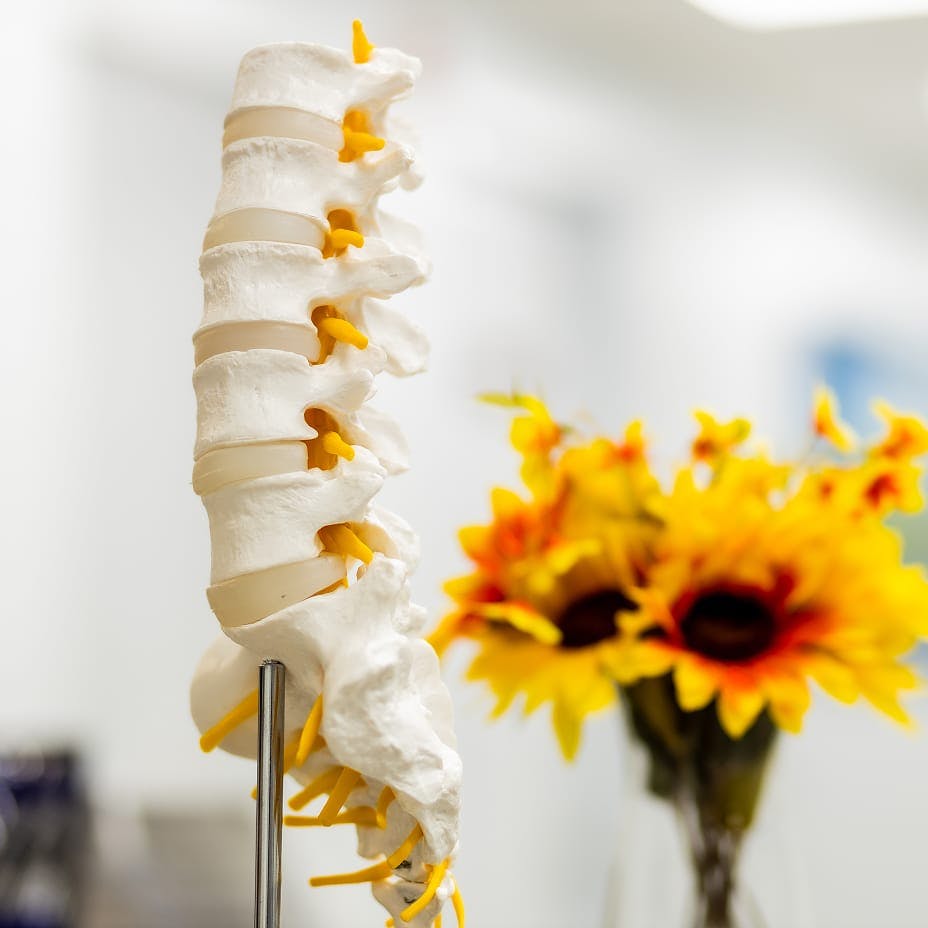
spine on a stand next to sunflowers

TLIF FAQs

Why is smoking prohibited before and after TLIF surgery?

Nicotine severely impairs blood flow and inhibits new bone growth, significantly increasing the risk of pseudoarthrosis (failure of the bones to fuse properly). Surgeons strongly require patients to stop all nicotine products several weeks before and months after surgery.

What are the potential risks and complications of TLIF surgery?

As with any major spine surgery, potential risks include infection, excess bleeding, nerve root injury or numbness, dura tear (cerebrospinal fluid leak), blood clots (DVT), hardware failure or loosening, and nonunion/pseudoarthrosis (failure of the bone graft to fuse).

Why is smoking prohibited before and after TLIF surgery?

Nicotine severely impairs blood flow and inhibits new bone growth, significantly increasing the risk of pseudoarthrosis (failure of the bones to fuse properly). Surgeons strongly require patients to stop all nicotine products several weeks before and months after surgery.

What are the potential risks and complications of TLIF surgery?

As with any major spine surgery, potential risks include infection, excess bleeding, nerve root injury or numbness, dura tear (cerebrospinal fluid leak), blood clots (DVT), hardware failure or loosening, and nonunion/pseudoarthrosis (failure of the bone graft to fuse).

Do I need to wear a back brace after TLIF surgery?

Bracing requirements vary depending on surgeon preference, surgical stability, bone quality, and whether an open or MIS approach was used. Some surgeons prescribe a rigid lumbar orthosis (brace) to wear for 6 to 12 weeks during standing and walking to promote graft stability and restrict bending, while others rely entirely on internal hardware fixation and do not require external bracing.

Background texture

Notification popup

Lorem ipsum dolor sit amet, consectetur adipisicing elit. Ad alias animi commodi distinctio doloremque eum exercitationem facilis in ipsum iusto magnam, mollitia pariatur praesentium rem repellat temporibus veniam vitae voluptatum.

Lorem ipsum dolor sit amet, consectetur adipisicing elit. Ad alias animi commodi distinctio doloremque eum exercitationem facilis in ipsum iusto magnam, mollitia pariatur

Button

Accessibility: If you are vision-impaired or have some other impairment covered by the Americans with Disabilities Act or a similar law, and you wish to discuss potential accommodations related to using this website, please contact our Accessibility Manager at 1-888-444-NYSI.
INSURANCE WE TAKE

We Accept Most Major Insurance

Empire BlueCross BlueShield  •  Cigna¹  •  Aetna  •  Humana

¹ Select NY locations

Learn More Schedule Now
Schedule a Consultation