
25
Jun

What Is Cubital Tunnel Syndrome?
Cubital tunnel syndrome refers to a group of symptoms arising from injury to the ulnar nerve as it travels along the medial aspect of the elbow, a region commonly known as the “funny bone. ” These symptoms include pain at the elbow, numbness along the medial aspect of the fore...
View MoreCategory: Uncategorized
25
Jun
What Is Deep Brain Stimulation (DBS)?
Deep brain stimulation involves the placement of electrodes in the brain to treat specific movement disorders such as: parkinson’s disease, essential tremor and dystonia. These electrodes are connected to an implanted pulse generator, similar to a pacemaker for the heart. The...
View MoreCategory: Uncategorized
25
Jun
What Is Epilepsy?
Epilepsy is a condition in which patients have recurrent unprovoked seizures. Patients who have only suffered from a single seizure are not considered to have epilepsy, since by definition epilepsy implies a condition of recurrent seizures. The seizure activity may simply be ...
View MoreCategory: Uncategorized
25
Jun

What Is Hemifacial Spasm?
Hemifacial spasm describes unilateral painless intermittent spasms of the muscles involved in facial expression. Typically the spasm begins around the eye and spreads to involve the entire half of the face. The spasms, however, may only involve the upper or lower face, and ma...
View MoreCategory: Uncategorized
25
Jun

What Is Hydrocephalus?
Quite simply, the term hydrocephalus refers to the abnormal accumulation of fluid in the brain. This fluid, called cerebrospinal fluid (CSF), is normally produced and reabsorbed by the brain at similar rates. Approximately 450ml to 750ml of CSF is produced by the brain each d...
View MoreCategory: Uncategorized
25
Jun

What Is Interventional Neuroradilogy?
Interventional neuroradilogy (or endovascular neurosurgery) is a hybrid specialty that has recently evolved to diagnose and treat a range of neurological diseases. Using x-ray guidance small catheters are guided into the blood vessels of the neck and brain enabling a range of...
View MoreCategory: Uncategorized
25
Jun
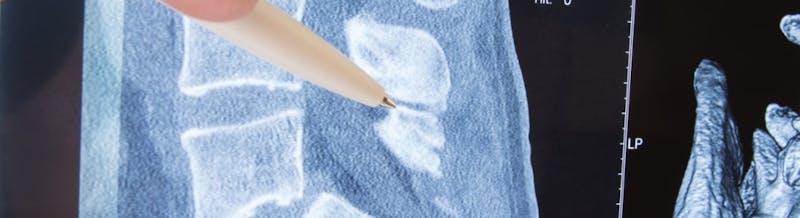
What Is Lumbar Spinal Stenosis?
The term lumbar spinal stenosis describes a narrowing of the spinal canal in the lumbar region leading to compression of the nerve roots. What Causes Lumbar Spinal Stenosis? For most patients, lumbar stenosis is an acquired disease process brought about by chronic wear and t...
View MoreCategory: Uncategorized
25
Jun

What Is Minimally Invasive Spine Surgery
Minimally invasive spine surgery employs special techniques and tools that enable surgeons to perform operations through smaller incisions. In general smaller incisions mean less post-operative pain and quicker recovery times. With the advent of special retractor systems and ...
View MoreCategory: Uncategorized
25
Jun
What Is Moya Moya Disease
Moya moya is a Japanese term literally meaning “puff of smoke. ” This term refers to the development of an abnormal network of small blood vessels at the base of the brain that resemble little wisps of smoke on imaging studies like cerebral angiography. The development of thes...
View MoreCategory: Uncategorized
25
Jun

What Is Spina Bifida
Spina bifida refers to a complex array of birth defects associated with incomplete formation of the vertebral arches of the spinal column. During fetal development the vertebral arch that forms the roof of the spinal canal, covering the spinal cord and nerves, fails to comple...
View MoreCategory: Uncategorized