
25
Jun
Can You Prevent Scoliosis?
Scoliosis affects millions of people in the U. S. every year. Scoliosis can have various causes, leading many people to wonder whether the condition is preventable. Certain risk factors may make you or your child more susceptible to scoliosis-related back pain and other sympto...
View MoreCategory: News
25
Jun
What Causes Scoliosis in Children?
Scoliosis is a spine condition caused by a side-to-side curve along the vertebrae. As kids grow, scoliosis may develop as a slight S- or C-shaped curvature in their spines. Though it’s most likely to occur in patients ages 10-18, scoliosis is a condition that parents and pedi...
View MoreCategory: News
25
Jun
How to Prevent Rotator Cuff Tears
Your rotator cuff plays a crucial role in your daily movement. After a rotator cuff tear, it may be painful to lift your arms, sleep on your side or reach for something behind you. If you want to know how to prevent rotator cuff tears, it’s important to understand how they oc...
View MoreCategory: News
25
Jun
6 Spine Treatments That Don’t Require Surgery
Living with spine, back or neck pain can make even the simplest tasks difficult. At New York Spine Institute, we’re committed to finding the best treatment plan for you. Many times, surgery is not necessary to address the issue. Our patients can take advantage of various non...
View MoreCategory: Uncategorized
25
Jun
Signs You Have a Torn Meniscus in Your Knee
Tearing a meniscus is one of the most common knee injuries. The meniscus is a soft cartilage disc between your shin and thigh that cushions and stabilizes your knee. Any forceful twist or rotation can cause a torn meniscus, especially with extra weight. In this article, we’ll...
View MoreCategory: News
25
Jun
Total Shoulder Replacement
If you’re struggling with shoulder pain, doctors use various strategies to provide relief. Sometimes, shoulder replacement surgery is the best solution. Read on to learn more about total shoulder replacement (TSR) surgery and what to expect from the process. What Is Total Sh...
View MoreCategory: News
25
Jun
When Should You See a Neurosurgeon for Back Pain?
Back pain can disrupt your life, especially when medications and physical therapy provide little relief. A neurosurgeon can alleviate back pain using noninvasive and surgical means alike. Neurosurgeons Work on More Than the Brain While brain surgery is a part of what a neuros...
View MoreCategory: News
25
Jun
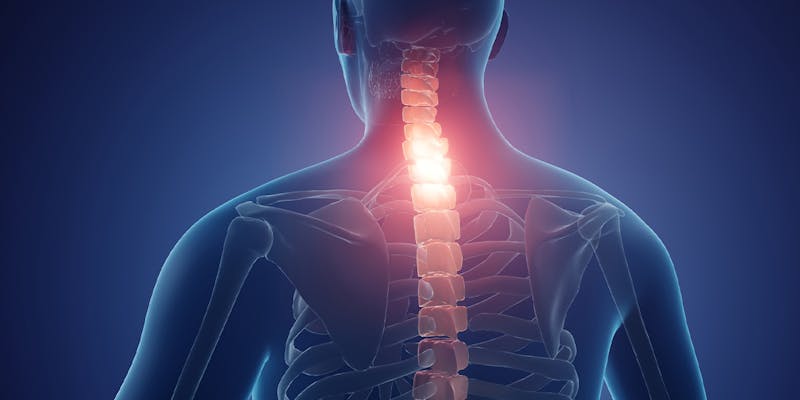
Types of Neurosurgery Procedures for Chronic Back and Neck Pain
Back and neck pain can severely limit your range of motion, making daily activities like work and exercise far more taxing than they should be. If you’re dealing with ongoing back or neck pain that won’t subside with home remedies and natural treatments, surgery may be a prac...
View MoreCategory: Neurosurgery
25
Jun
Understanding Post-Op Depression
Recovering from surgery is a physical and emotional process. Operations are often invasive, so feeling very emotional after surgery is expected. Learn more about what post-op depression is and how you can prevent or treat it. What Is Post-Op Depression? The post-surgery blu...
View MoreCategory: News
25
Jun
Signs and Symptoms of Degenerative Disc Disease
Degenerative disc disease (DDD) is a common spinal condition affecting many adults. A recent study shows that one-third of individuals between 40-59 years old experience DDD. With that prevalence, it’s crucial to consider the signs and symptoms of DDD so you can seek early tr...
View MoreCategory: Uncategorized